


MAY 19, 2026
Mastering the Adaptive Flow When Interviewers Dig Deeper Into Your Answers

The Skillity Team
Skillity Editorial
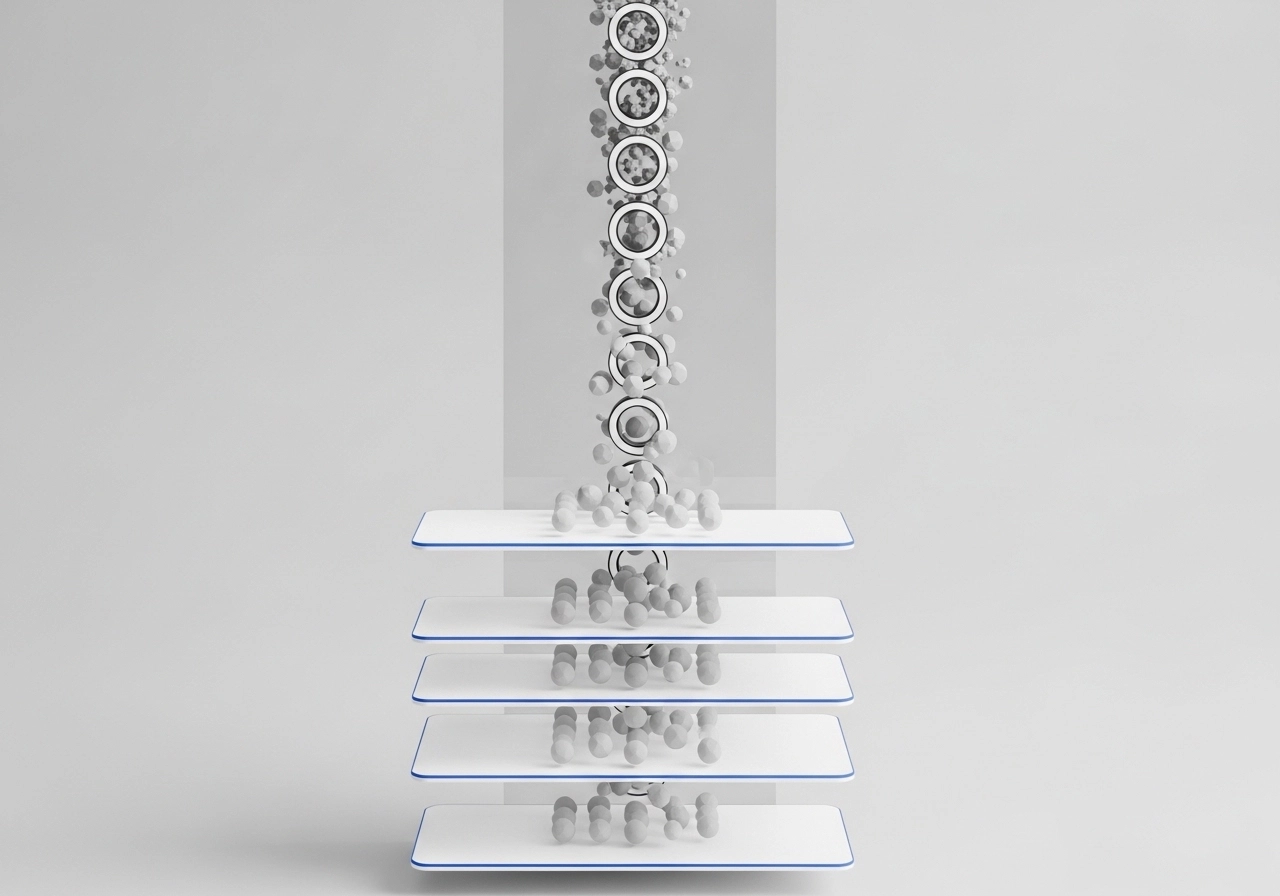
Mastering the adaptive flow in a professional interview requires moving beyond prepared scripts to engage in a dynamic, evidence-based conversation with your evaluator. This process involves maintaining your composure and clarity when an interviewer moves past your initial response to ask layered follow-up questions. This transition often occurs when an evaluator wants to test the authenticity of your experience or the depth of your technical knowledge. By understanding how to navigate these deeper inquiries, you demonstrate a higher level of competence and self-awareness than candidates who rely solely on rehearsed stories. This article explains how to stay grounded and provide meaningful detail even when the questioning becomes increasingly specific.
In most high-level interviews, the first answer you give is merely the starting point. Interviewers use a technique called layered probing to peel back the surface of your response. They are looking for specific signals of your decision-making process, your technical logic, and your ability to handle nuance. When you find yourself struggling to keep up, it is usually because you have focused too much on the 'what' of your story and not enough on the 'how' and 'why'. To succeed, you must treat the interview as an evolving dialogue where each follow-up is an opportunity to provide more concrete evidence of your value.
Why Interviewers Use Probing Questions to Test Your Depth
Interviewers dig deeper because they need to verify that you were the primary driver of the results you claim. In collaborative environments, it is easy for a candidate to take credit for the work of a team. By asking specific, granular questions about a particular step in a project, the interviewer can determine your actual level of involvement. They are searching for the limits of your knowledge and the point at which your expertise ends. This is a standard part of a rigorous assessment and should be viewed as a sign that the interviewer is taking your candidacy seriously.
Another reason for this approach is to assess your cognitive agility. Modern roles require professionals who can think on their feet and adapt to new information. If you can only provide a polished, pre-written answer but falter when the context changes slightly, it suggests a lack of flexibility. Interviewers want to see how you handle the pressure of the unknown. They are looking for candidates who can maintain a logical structure even when the conversation moves into unexpected territory. Understanding this logic helps you stay calm when the questions become more difficult.
Core Techniques for Mastering the Adaptive Flow
The first step in mastering the adaptive flow is to listen actively to the specific intent of the follow-up question. Many candidates make the mistake of repeating their initial answer or providing a slightly longer version of the same information. Instead, you should pause for a moment to identify exactly what the interviewer is asking. Are they asking about your technical methodology, your interpersonal handling of a conflict, or the financial implications of your decision? By categorizing the question, you can provide a targeted response that adds new information rather than repeating old points.
Another essential technique is to use a modular approach to your experiences. Instead of memorizing a rigid story from start to finish, break your professional highlights into key components: the data you used, the stakeholders you managed, the technical tools you employed, and the specific obstacles you overcame. When an interviewer digs deeper, you can pull from these specific modules to provide the necessary detail. This level of preparation allows you to remain fluid and responsive. You can learn more about how to structure these insights by exploring our career guidance articles which cover various assessment styles.
Practical Examples of Handling Follow-Up Probes
To master the adaptive flow, you must be prepared for the most common types of deep-dive questions. These questions are designed to move you away from your comfort zone and into the specifics of your past performance. When you encounter these, the goal is to provide a specific example or a piece of data that supports your previous claim. If you do not have an immediate answer, it is better to explain your thought process than to provide a vague or evasive response.
- What was the specific data point that led you to that conclusion?
- If you had half the budget you mentioned, which part of the project would you have cut first?
- Walk me through the exact conversation you had when the stakeholder disagreed with your plan.
- What was the biggest technical hurdle you faced during the implementation phase?
- How did you measure the success of this initiative three months after it launched?
- If you were to do this project again today, what is the one thing you would change?
When answering these, focus on the 'why' behind your actions. For instance, if asked why you chose a specific software, do not just say it was the industry standard. Explain the specific requirements of the project and how that tool met them better than the alternatives. This shows that you are a deliberate professional who makes choices based on logic and evidence. This level of detail is exactly what elite interviewers are looking for when they probe your experience.
How to Practice for Mastering the Adaptive Flow
Preparation is the only way to ensure you can handle the pressure of a deep-dive interview. Traditional mock interviews often fail because they rely on a fixed list of questions that do not change based on your answers. To truly prepare, you need a system that mimics the unpredictability of a real conversation. Skillity is an interview preparation platform designed to help you build this specific type of agility. By using an AI-powered interview prep tool, you can experience a variety of follow-up styles that challenge you to think critically about your own history.
Our platform uses advanced logic to understand your initial responses and generate relevant, challenging follow-up questions. You can see how it works to get a better sense of the technology behind our simulations. By practicing in this environment, you become accustomed to the feeling of being probed for more detail. You will learn where your stories are weak and where you need to gather more evidence from your past roles. This builds a foundation of confidence that carries over into the actual hiring process.
Furthermore, evaluating your performance through a structured framework is vital. The fitmodel used in our insights helps you understand the signals you are sending to an interviewer regarding your skills and your attitude. When you master the adaptive flow, you are not just answering questions; you are demonstrating that you possess the depth and resilience required for high-level roles. Consistent practice ensures that when the interviewer digs deeper, you are ready to meet them with precision and professional authority.
“The true test of a candidate is not the first answer they give, but the third or fourth follow-up that reveals their true depth of thought.”
In conclusion, the ability to handle deep-dive questions is a hallmark of a high-performing professional. By viewing these questions as an invitation to showcase your expertise rather than a challenge to your credibility, you can transform the interview into a productive exchange of information. Focus on listening to the intent, providing modular details, and practicing in a dynamic environment. If you want to refine your skills further, consider using SkillityPrep to simulate these high-pressure conversations and build the confidence you need to succeed.