


JULY 6, 2026
Why One-Way Video Interviews Feel Like a Black Box and How to Win Them

The Skillity Team
Skillity Editorial
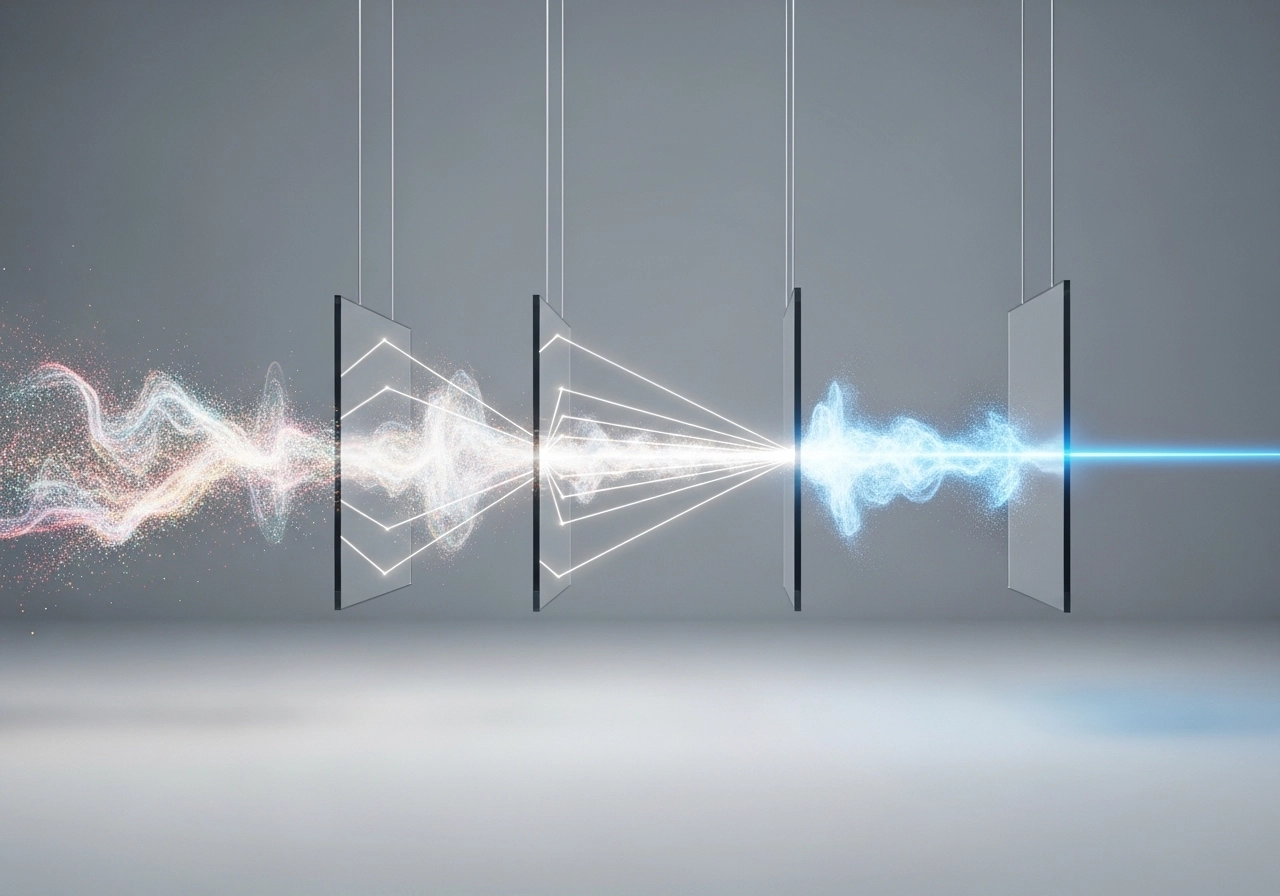
One-way video interviews feel like a black box because they strip away the natural, real-time human feedback that candidates rely on to gauge their performance. When you are asked to record answers to a silent screen with a countdown timer ticking away, the absence of nods, smiles, or follow-up questions can make the experience feel cold and transactional. For many job seekers, this modern screening method triggers a unique form of anxiety, leaving them wondering if their recorded answers are being evaluated by a human recruiter or simply lost in a digital void. Understanding the psychological friction of this format is the first step toward reclaiming your confidence and mastering the process.
While employers adopt asynchronous screening to manage high volumes of applications, candidates often experience it as a one-sided demand on their time. The lack of mutual conversation means you cannot ask questions about the company culture or clarify a prompt in real time. This dynamic can easily lead to overthinking, where you replay minor stumbles in your head long after hitting submit. To navigate this hurdle successfully, you must shift your perspective from trying to please an invisible viewer to delivering a structured, authentic demonstration of your capabilities.
The Psychology Behind the One-Way Video Interviews Anxiety
Human communication relies heavily on a continuous loop of micro-signals. In a traditional conversation, a slight nod from an interviewer tells you to keep going, while a puzzled look prompts you to clarify your point. When you perform a one-way video interview, this feedback loop is entirely broken. You are forced to speak into a camera lens, which offers zero emotional resonance. This sensory deprivation often causes candidates to speak too quickly, lose their train of thought, or sound unusually robotic as they try to anticipate what an unseen evaluator wants to hear.
This sterile environment often amplifies performance anxiety. Because you cannot read the room, your brain naturally fills the silence with doubt, assuming that any minor pause or verbal slip is a critical failure. Recognizing that this discomfort is a structural flaw of the technology, rather than a reflection of your professional competence, is incredibly liberating. Once you accept that the awkwardness is universal, you can focus on the practical steps needed to project warmth and authority to the silent screen.
How to Demystify the Black Box and Prepare Effectively
To perform well when there is no live person on the other side, you must treat the camera as an active listener. Start by adjusting your physical setup to build a sense of personal connection. Position your camera at eye level so you are not looking down at the screen, and make a conscious effort to look directly into the lens rather than at your own image. Looking at the lens simulates eye contact for the recruiter who will watch your recording later, making your delivery feel far more engaging and personal.
Structure is your best ally when managing a strict countdown timer. Because you cannot rely on an interviewer to guide you back on track, using a clear framework like the STAR method (Situation, Task, Action, Result) ensures your answers remain concise and impactful. Keep your opening hook brief, focus the majority of your time on the specific actions you took, and conclude with a clear result. This disciplined approach prevents you from rambling and helps you deliver a complete narrative before the recording automatically cuts off.
Practical Strategies to Master Asynchronous Screenings
The best way to build confidence for a one-way video interview is to practice under simulated conditions. By rehearsing your responses with a timer and recording your practice runs, you can identify common habits like looking away, speaking too softly, or running out of time. Reviewing your practice footage helps you adjust your pacing and refine your delivery before the stakes are high.
- Rehearse with a hard timer: Set a stopwatch for ninety seconds and practice answering common behavioural questions to get a feel for the pacing.
- Look at the camera lens: Focus your gaze on the camera rather than your own preview screen to establish simulated eye contact with the viewer.
- Speak with natural energy: Use moderate hand gestures and varied vocal tones to prevent your delivery from sounding flat or scripted.
- Keep your notes minimal: Bullet points placed near the camera can help you stay on track, but reading a full script will make you look disconnected.
Using an AI-powered interview prep tool like Skillity can make a massive difference in how you approach these silent assessments. By practicing in a low-pressure environment that mimics the structure of modern hiring platforms, you can build the muscle memory needed to deliver polished, natural answers. Practicing beforehand allows you to focus entirely on your professional story rather than the ticking clock, turning a stressful black box into an opportunity to stand out.